At A Glance
Through my own experience with psychedelics, which can open up neuroplasticity in a very powerful way, I've come to see how much this simple practice can free us from old patterns.
In one of my recent corporate leadership development sessions, a participant shared that he'd caught himself thinking something automatically.
Because of the work we'd been doing, he stopped and questioned it. Was this part of a mindset he was locked into? Was it actually helping him?
In that moment, he got curious instead of carrying on as usual and it opened him up to a new way of thinking.
That pause matters more than it seems.
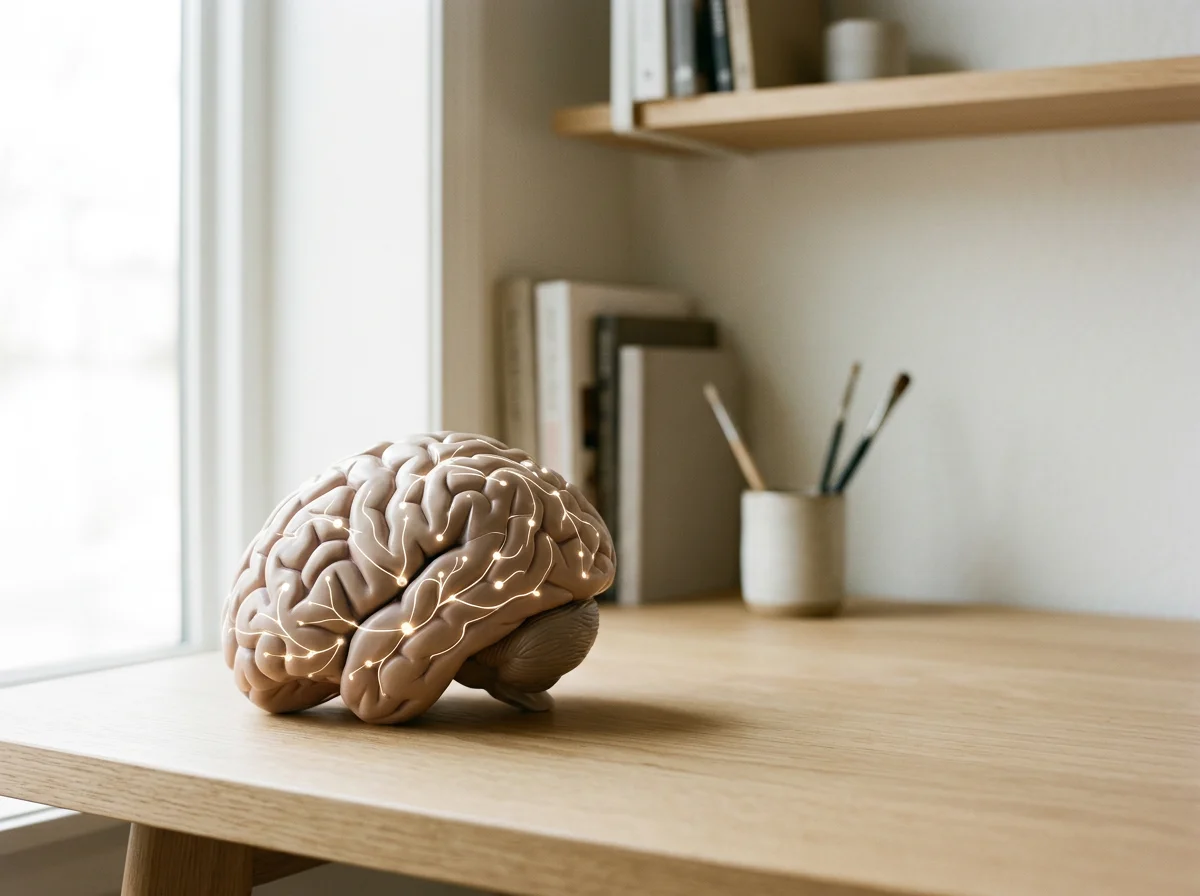
Our brains are always being rewired by what we repeatedly think and pay attention to. Every time we replay a grievance or default to a familiar reaction, we strengthen that pathway.
Most of this happens on autopilot.
Noticing a thought and questioning it is what makes the change intentional.
Through my own experience with psychedelics, which can open up neuroplasticity in a very powerful way, I've come to see how much this simple practice can free us from old patterns.
For me, the experience amplified the pause and slowed things down. For a period of time afterwards, I could see old stories come up in my thinking: a resentment, a grievance, or a story about a person or situation that didn't really capture it fairly or with any complexity.
I could see it was just a habitual way of thinking, and not a very useful one.
Instead of thinking it without noticing, I could pause and see my thinking from a place of choice. That meant I could stop feeding those stories with my attention. Eventually, many of them faded.
Research suggests psychedelics can open a window of increased neuroplasticity, when beliefs feel less fixed and the brain is more open to change. But one experience isn't enough.
The brain needs consistency. New ways of thinking only stick with repetition and old ones fade when we stop reinforcing them.
Psychedelics are one way in. Mindfulness is another. Either way, it comes down to the same practice: noticing what you're thinking, pausing and getting curious.
What makes it work is consistency. That's why I value leadership programs like the one I'm helping facilitate right now. Over a period of weeks, participants are held accountable to this kind of deep reflection. They are prompted to look closely at the thoughts and mindsets that may be limiting them.
That's often enough for the pause to become a habit--and once it does the benefits keep compounding.